
A moka pot makes strong, rich coffee, but it isn’t true espresso.
An espresso machine uses about 9 bar of pump pressure. A moka pot uses about 1 to 2 bar of steam pressure.
A moka pot is cheaper, smaller and simpler. An espresso machine gives you crema, steamed milk and more control.
They aren’t rivals. Many coffee lovers own both.
Moka pot vs espresso machine: what's the real difference? Lots of people call moka pot coffee "stovetop espresso." It's easy to see why. It's small, dark and strong.
But if you've had a shot from an espresso machine and a cup from a moka pot, you know they taste different. After years of brewing both, I can tell you why. It comes down to a few simple things.
The Quick Answer
Moka pot: strong, rich coffee made with steam pressure on your stove.
Espresso machine: true espresso, made with about 9 bar of pump pressure.
Both are great. They just make different coffee.
Moka Pot vs Espresso Machine at a Glance
Pressure: a moka pot uses about 1 to 2 bar of steam pressure. An espresso machine uses about 9 bar of pump pressure.
Brew time: a moka pot takes a few minutes. An espresso shot takes 25 to 30 seconds.
Temperature: a moka pot has no temperature control. An espresso machine holds the water at a set temperature, usually 90 to 96°C.
Grind: a moka pot uses a medium-fine grind. Espresso needs a very fine, even grind.
Crema: a moka pot makes a light foam, not true crema. An espresso machine makes real crema.
Milk drinks: with a moka pot, add frothed milk. An espresso machine has a built-in steam wand.
Cost and space: a moka pot costs less and fits in a cupboard. An espresso machine costs more and needs counter space.
7 Differences Between a Moka Pot and an Espresso Machine
1. Pressure Is the Biggest Difference
An espresso machine uses a pump. The pump pushes hot water through tightly packed coffee at about 9 bar of pressure. That's roughly nine times the air pressure around us. It's why a shot takes only 25 to 30 seconds and tastes thick and syrupy.
A moka pot has no pump. The heat turns some of the water in the bottom into steam. The steam builds pressure and pushes the rest of the water up through the coffee.
That pressure is much lower, about 1 to 2 bar. It's enough to make a rich cup. It's not enough to make true espresso.
2. Water Temperature and Brew Time
An espresso machine keeps the water at a set temperature, usually 90 to 96°C (194 to 205°F). A moka pot has no way to control the temperature. A full brew also takes a few minutes, not half a minute.
That's why heat matters so much with a moka pot. Use medium-low heat. Take the pot off the burner when the coffee starts to sputter. This keeps the coffee from tasting harsh.
If your coffee tastes bitter, read Why Is My Moka Pot Coffee Bitter? for easy fixes.

3. Grind Size and Amount
Espresso needs a very fine, even grind. That usually means a good burr grinder. Even a small change in grind size can change the taste of a shot a lot.
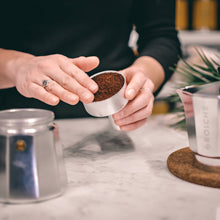
A moka pot is easier. Use a medium-fine grind. That's finer than drip coffee but coarser than espresso. Fill the basket evenly and don't press the coffee down. Pressing it down makes it harder for the water to get through.
Start with freshly roasted coffee beans and grind them right before you brew. Old, pre-ground coffee tastes flat in any brewer.
Our Coffee Grind Chart shows you what each grind looks like.
4. How Each One Tastes
Espresso is strong, but it has layers. You can taste sweetness, a little sourness and a thick body in a small cup. It's often topped with a golden foam called crema. Good beans can taste bright and full of flavour.
Moka pot coffee is bold and rich. The taste is heavier and more direct. It sits between espresso and strong drip coffee.
A moka pot doesn't make true crema. You might see a light foam on top, but it's not the same thing. Many people love that classic Italian home-coffee taste.
New to brewing on the stove? Our step-by-step moka pot guide will help you make your first cup.

5. Milk Drinks
Both can make lattes and cappuccinos. Moka pot coffee is strong, so it still tastes like coffee after you add milk.
An espresso machine has a steam wand that makes smooth, silky milk foam much more easily. If you want to make latte art, you want a machine.
For a creamy drink at home, a moka pot and a hand frother work well.


6. Cost, Space and Effort
A good espresso setup needs a machine, a burr grinder and lots of practice. That costs a lot of money and takes up counter space.
A moka pot costs much less and fits in a cupboard. It works on gas and electric stoves. It also works on induction stoves if it has an induction-compatible base.
Cleaning is easy too. Take it apart, rinse it, and let it dry fully.
Here's how to clean a moka pot step by step.
7. Which One Should You Pick?
Pick a moka pot if you want rich, strong coffee at home without spending a lot, and you like a hands-on routine on the stove.
Pick an espresso machine if you want true espresso, smooth milk foam, or you make many drinks a day and want more control.
Here's my honest take: they aren't rivals. Many coffee lovers own both and use each one for what it does best.
Frequently Asked Questions
Is a moka pot the same as espresso?
No. A moka pot uses much less pressure than an espresso machine. It makes strong coffee, but it isn't true espresso.
Is moka pot coffee stronger than espresso?
No. Espresso is more concentrated. Moka pot coffee is bold and rich, sitting between espresso and strong drip coffee.
Does a moka pot make crema?
Not true crema. You may see a light foam, but real crema comes from the high pressure of an espresso machine.
What grind should I use in a moka pot?
Medium-fine. That's finer than drip coffee but coarser than espresso. Don't press the coffee down in the basket.
Can I make lattes with a moka pot?
Yes. Brew the coffee, then add steamed or frothed milk. Moka pot coffee is strong enough to taste great with milk.




Leave a comment
This site is protected by hCaptcha and the hCaptcha Privacy Policy and Terms of Service apply.